EyeWorld Weekly, January 29, 2021

➤ Topline results from Phase 3 studies for nAMD treatment ➤ Phase 2 trial of betamethasone treatment for cataract surgery pain and inflammation ➤ Fast Track designation given to therapy seeking to treat achromatopsia ➤ Topline data from Phase 1 trial of travoprost intracameral implant ➤ ASCRS Journal Club

Comments Off on EyeWorld Weekly, January 29, 2021

Choosing between monovision and multifocals

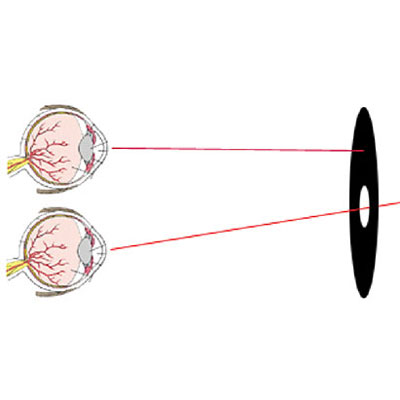
Monovision is a proven and trustworthy option to attain spectacle independence in patients undergoing cataract surgery. According to Ehud Assia, MD, the best results are attained by waiting for the outcomes of the first-eye surgery before moving on the create monovision.

Comments Off on Choosing between monovision and multifocals

Trifocals outperforming other premium lenses

When multifocal lenses were first introduced, they were heralded as a means of providing both near and distance vision improvements for patients undergoing cataract surgery. These IOLs feature two main foci, but patients continually demanded better intermediate vision. In today’s world, one could argue intermediate vision is even more crucial than near for performing daily tasks such as using a computer, tablet, or smartphone.

Comments Off on Trifocals outperforming other premium lenses

Uveitis: Posterior synechiae, lens deposits, CME, prolonged post-op inflammation, and secondary glaucoma

Uveitis following cataract surgery increases the risk of cystoid macular edema (CME), posterior synechiae, and secondary glaucoma, all of which may lead to delayed visual recovery or permanent visual loss. It is important to make the distinction between patients with pre-existing uveitis who undergo cataract surgery and those with no history of intraocular inflammation who develop uveitis after surgery.

Comments Off on Uveitis: Posterior synechiae, lens deposits, CME, prolonged post-op inflammation, and secondary glaucoma

Double trouble: Diplopia following cataract or refractive surgery

Pre-existing strabismus and a family history of this are two red flags to look for when trying to head off diplopia in cataract patients, according to Kammi B. Gunton, M.D., assistant surgeon, Wills Eye Institute, Philadelphia. Investigators led by Dr. Gunton reported on the incidence and causes of diplopia following cataract and refractive surgery in the September 2010 issue of Current Opinions in Ophthalmology.

Comments Off on Double trouble: Diplopia following cataract or refractive surgery

An unusual dilation issue

Presenting with a "completely dilated and non-reactive" pupil on postop day 1 can be nerve-wracking for the surgeon. Here's how one physician dealt with the complication.

Comments Off on An unusual dilation issue
The pros and cons of multifocal and accommodating IOLs
ReSTOR lens Source: Alcon

The pros and cons of multifocal and accommodating IOLs

Ever since their conception, multifocal intraocular lenses (IOLs) have been measured against their predecessor, monofocal lenses. With the appearance of accommodating lenses on the market in recent years, inevitable comparisons are now being drawn between multifocal lenses and the latest advancement in IOL technology. EyeWorld takes a look at the pros and cons of the lenses.

Comments Off on The pros and cons of multifocal and accommodating IOLs